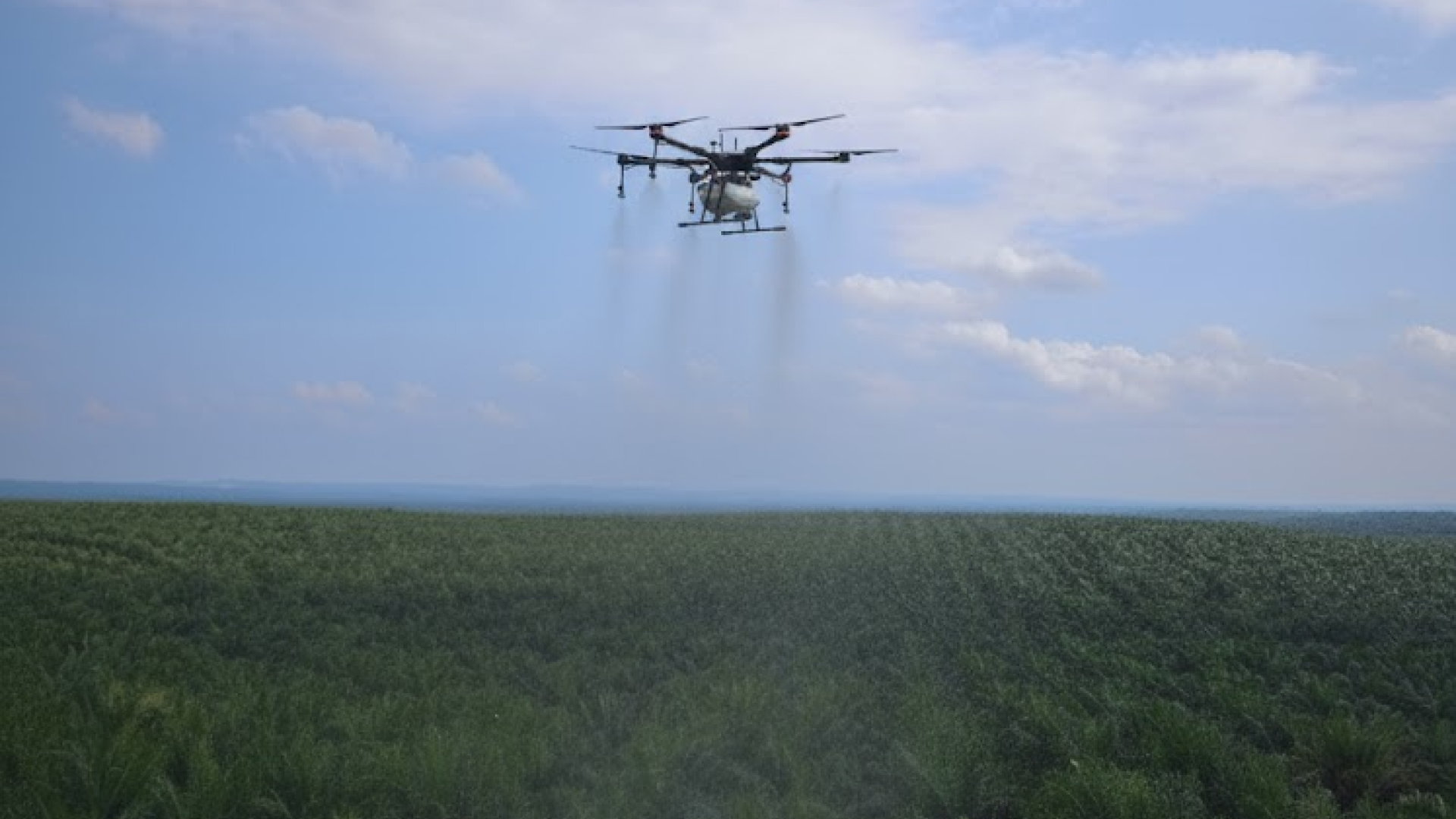
The role of agricultural drones has expanded far beyond aerial photography. Today, drone in agriculture has become a core component of precision agriculture and digital agribusiness transformation. Large-scale operations now rely on drones to automate field activities, collect high-resolution data, and optimize the use of labor, chemicals, water, and time.
Understanding the types of drones used in agriculture is essential because each category is designed to solve a different operational challenge. From crop protection to large-scale mapping and infrastructure monitoring, modern agriculture UAV platforms support the entire agricultural lifecycle.
The Expanding Role of Drones in Modern Agriculture
1. Crop Spraying Drones (Precision Crop Protection UAVs)
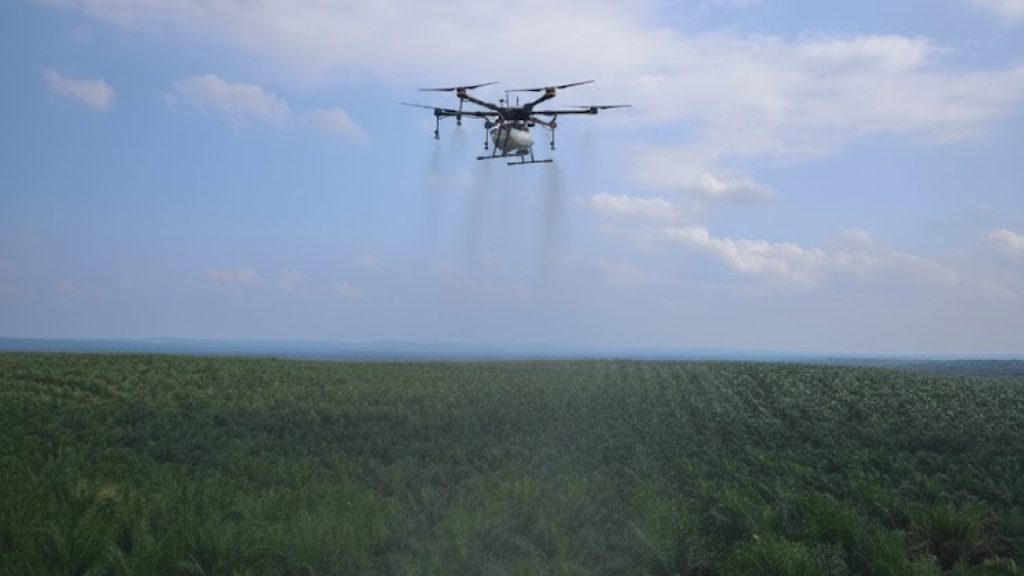
Crop spraying drones are among the most commercially mature agriculture drones used today. These systems are engineered to perform ultra-low-altitude spraying using radar, LiDAR, and terrain-following sensors that allow the drone to maintain a constant height above crops even in uneven landscapes.
Unlike conventional ground sprayers or manned aircraft, a spraying agriculture UAV applies agrochemicals with centimeter-level precision. Advanced flight planning software enables variable-rate application, meaning chemicals are distributed based on crop condition, canopy density, and field variability rather than uniformly across the entire field.
This targeted application delivers measurable operational benefits:
– Significant reduction in chemical usage
– Lower fuel and labor costs
– Reduced soil compaction from heavy machinery
– Improved worker safety through reduced exposure
For plantations and large estates, spraying drones are often deployed as part of an integrated crop protection strategy supported by aerial data and analytics.
2. Fertilizer and Granular Spreading Drones
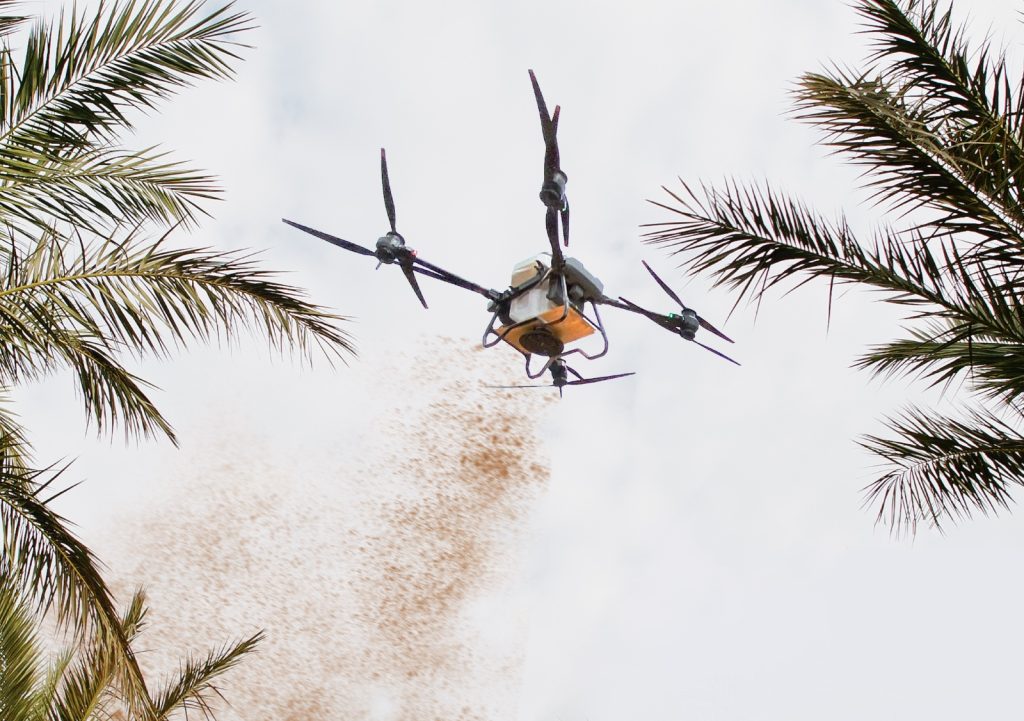
While spraying drones focus on liquid applications, fertilizer drones are designed to distribute granular materials such as fertilizer pellets, lime, or seeds. These drones are equipped with centrifugal spreading systems that ensure consistent distribution patterns across large areas.
Maintaining uniform nutrient distribution is a persistent challenge in large-scale agriculture, especially in regions with difficult terrain or limited machinery access. Fertilizer drones enable rapid deployment and precise application without requiring heavy equipment to enter the field.
Operational advantages include:
– Improved nutrient distribution consistency
– Faster response to crop nutrient demands
– Reduced dependency on ground equipment
– Greater efficiency in wet or muddy conditions
As part of drone agriculture, fertilizer drones help optimize nutrient management programs and support yield stability across large production areas.
3. Mapping and Surveying Drones (Fixed-Wing Mapping UAVs)
Among the most strategically valuable types of drones used in agriculture are mapping and surveying drones. A fixed-wing mapping drone is designed for endurance and efficiency, capable of flying for up to two hours and covering thousands of hectares in a single mission.
These drones capture overlapping aerial imagery that is processed into high-precision geospatial products such as:
– Orthomosaic maps
– Digital surface and terrain models
– NDVI and vegetation indices
– Elevation and drainage analysis
This data forms the foundation of precision agriculture by enabling agribusiness teams to plan irrigation systems, design drainage infrastructure, optimize planting layouts, and monitor land development projects.
In many organizations, mapping drones represent the first step toward digital transformation in drones and agriculture.
4. Crop Monitoring and Remote Sensing Drones
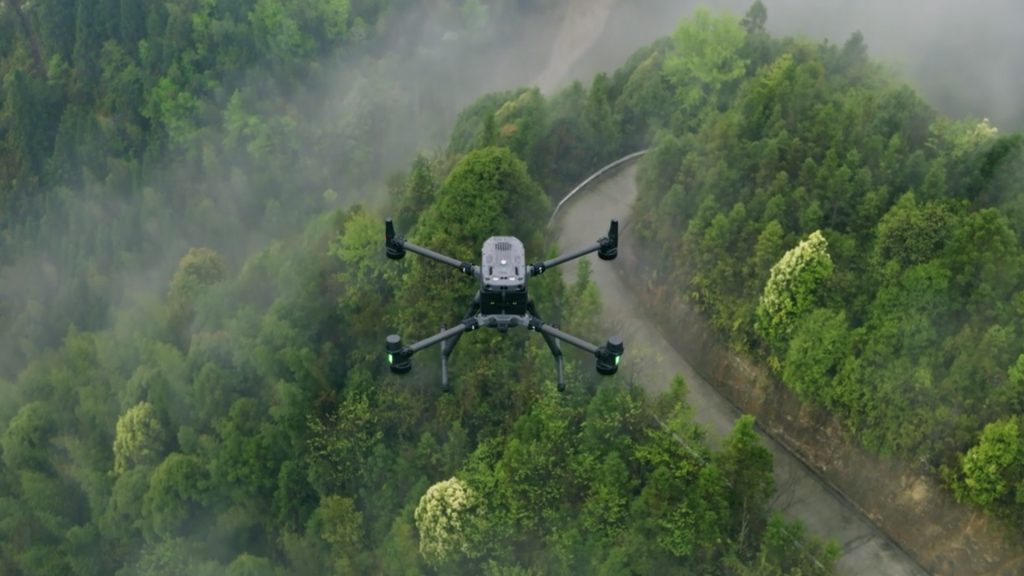
Crop monitoring drones extend beyond visual inspection by using multispectral and thermal sensors to capture plant health indicators that are invisible to the human eye. These agriculture UAV systems measure how plants reflect and absorb light, providing early warning signals of stress caused by pests, disease, nutrient deficiencies, or water shortages.
Instead of waiting for visible crop damage, agribusiness teams can identify problem areas early and implement targeted interventions. This transition from reactive to predictive management is one of the most significant impacts of drone agriculture.
When integrated with analytics platforms, remote sensing drones enable:
1. Yield forecasting
2. Crop performance benchmarking
3. Field variability analysis
4. Data-driven decision making
This capability transforms aerial imagery into actionable intelligence.
5. Surveillance and Infrastructure Monitoring Drones
Large agricultural operations often function as complex industrial environments with roads, irrigation systems, storage facilities, and remote infrastructure spread across vast landscapes. Surveillance drones provide real-time situational awareness that would otherwise require extensive manual patrols.
These agriculture drones are used for:
– Inspecting irrigation networks and drainage systems
– Monitoring remote facilities and assets
– Tracking livestock movement
– Enhancing operational security and safety
By improving visibility across large estates, surveillance drones help reduce risk, detect issues earlier, and improve overall operational efficiency.
From Single-Purpose Tools to Essential Infrastructure
What makes modern agriculture UAV platforms particularly powerful is their modular design. A single drone can transition between spraying, mapping, monitoring, and spreading missions simply by changing payloads and sensors.
This flexibility explains why drones and agriculture are becoming deeply interconnected. As agribusiness continues to embrace automation and data-driven decision-making, drones are evolving from specialized tools into essential infrastructure that supports productivity, sustainability, and long-term scalability.
Supporting Agribusiness Growth in Southeast Asia
Across Southeast Asia, large plantations face unique challenges including tropical weather, complex terrain, and labor shortages. This is where Terra Drone Agri provides end-to-end drone services tailored for large-scale agriculture in Malaysia and Indonesia.
By combining aerial operations, advanced analytics, and agronomic expertise, Terra Drone Agri helps plantations accelerate digital transformation, improve operational efficiency, and implement sustainable farming practices at scale.