Understanding the difference between horticulture and agriculture is essential for farmers, agribusiness owners, and agricultural technology users. Although these two fields are closely connected, they serve different purposes and operate on different scales in today’s farming industry.
Agriculture forms the backbone of global food production, while horticulture focuses on high-value crops that require intensive care and monitoring. With the rise of precision agriculture and smart farming technologies, knowing how these sectors differ helps farmers choose the right approach and tools.
Below are six key distinctions in the context of modern farming.
Exploring the Distinctions: Horticulture vs. Agriculture
1. Unveiling the Dichotomy
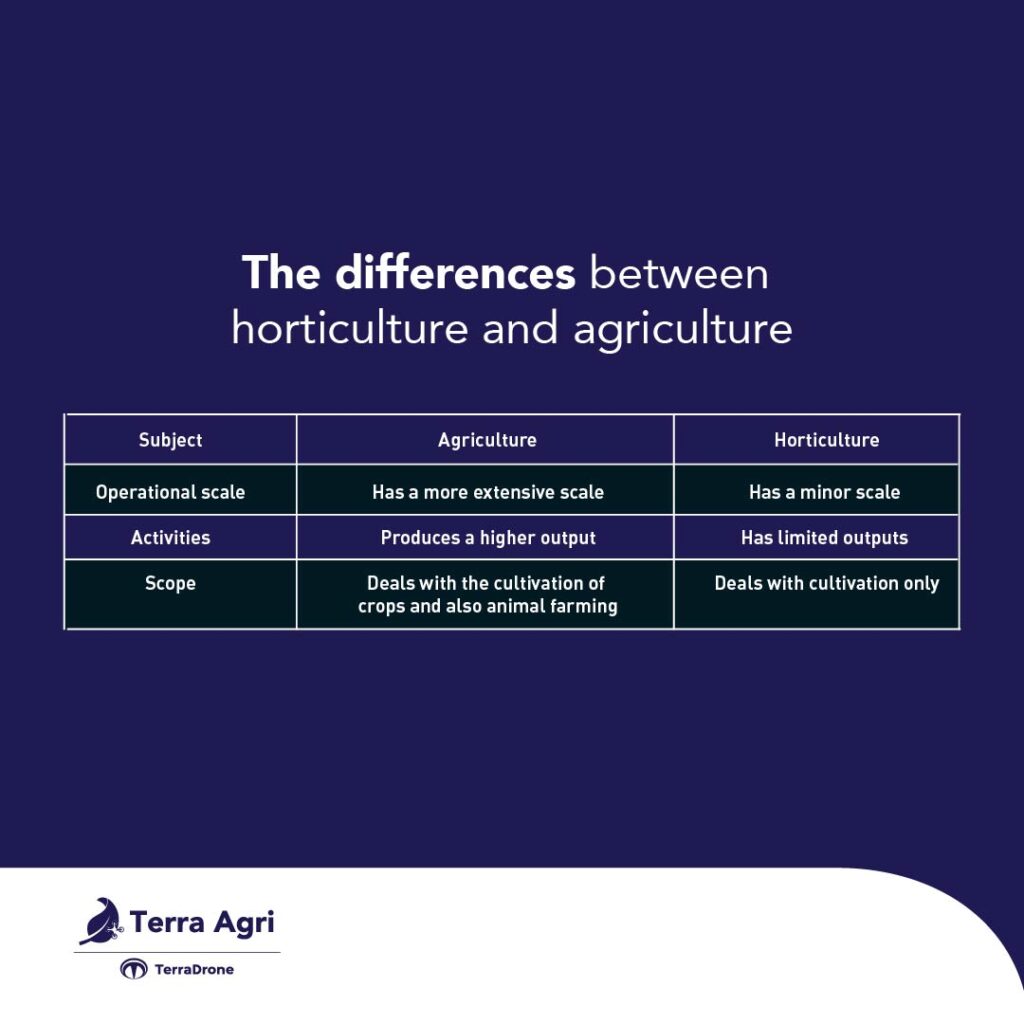
Agriculture is the broad science and practice of cultivating crops and raising livestock for food, fiber, fuel, and other essential products that support human life. It includes large-scale crop production, plantations, livestock farming, aquaculture, and agroforestry. Agriculture serves as the foundation of global food security and plays a crucial role in feeding growing populations.
Horticulture, by contrast, is a specialized branch of agriculture focused specifically on growing fruits, vegetables, flowers, herbs, and ornamental plants. While agriculture prioritizes large-scale productivity and efficiency, horticulture emphasizes plant quality, intensive crop care, and precise growing conditions.
In simple terms, horticulture can be viewed as a high-value and precision-focused subset of agriculture.
2. Scale and Scope: Navigating the Terrain
One of the most noticeable differences between horticulture and agriculture is the scale at which they operate.
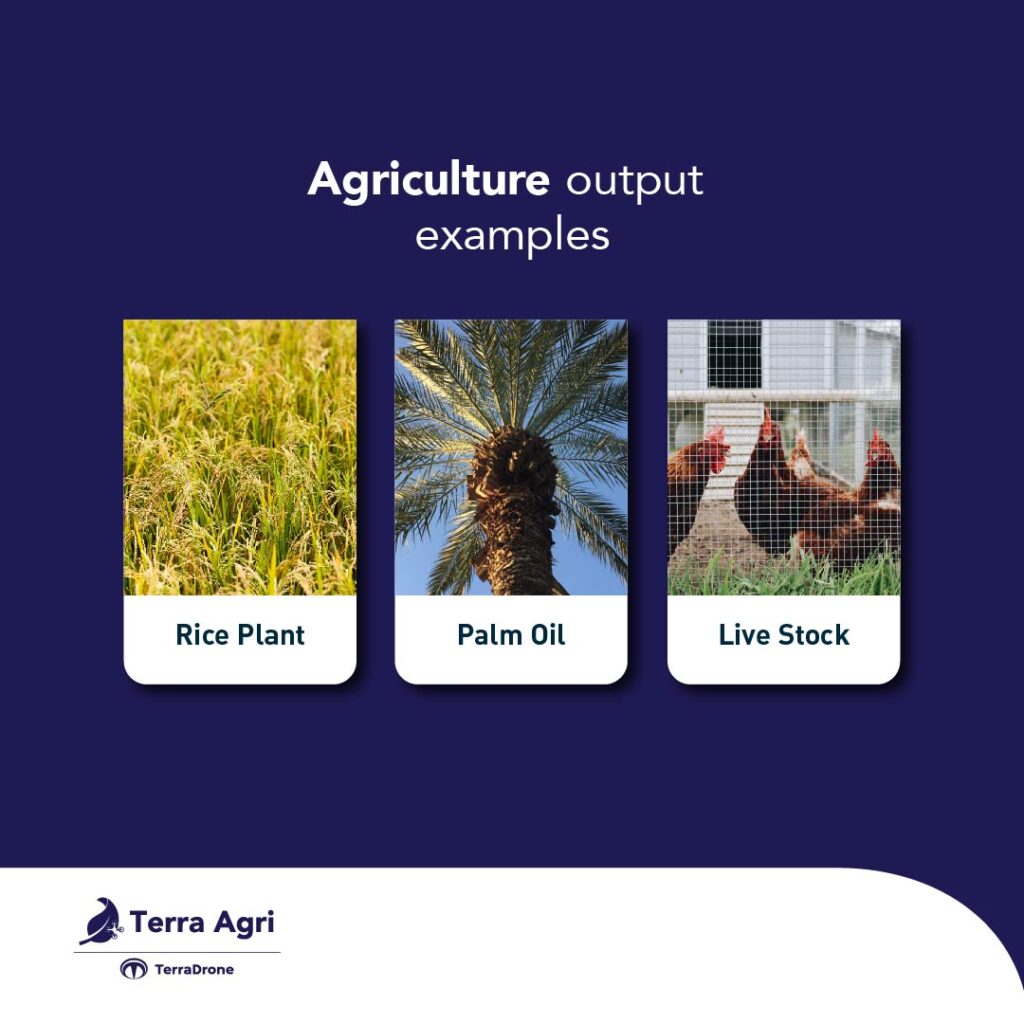
Agriculture typically involves large land areas designed for high-volume production. Examples include rice fields, corn farms, wheat farms, and oil palm plantations. These operations aim to produce staple foods efficiently to meet national and global demand.
Horticulture is commonly practiced on a smaller to medium scale, where crops require closer monitoring and more detailed management. Fruit orchards, greenhouse vegetable farms, and flower farms demand frequent observation, precise irrigation, and careful pest control.
Because horticulture crops are more sensitive and higher in market value, precision and consistent crop monitoring play a major role in daily operations.
3. Economic Impact: Cultivating Prosperity
Agriculture plays a major role in national food security, employment, and economic stability. Large-scale farming ensures consistent supply of staple crops and raw materials for global markets. Profit in agriculture is typically driven by high production volume and operational efficiency.
Horticulture, however, often generates higher economic value per hectare. Fruits, vegetables, herbs, and flowers usually command higher market prices and are in strong demand in both domestic and export markets. This makes horticulture an attractive option for farmers seeking to maximize profitability on limited land.
As a result, many modern farms are diversifying into horticulture to increase income, reduce risk, and improve long-term sustainability.
4. Crop Categories: Cultivating Diversity
Agriculture focuses on staple crops and livestock, including:
– Rice
– Corn
– Wheat
– Soybeans
– Oil palm
– Cattle and poultry
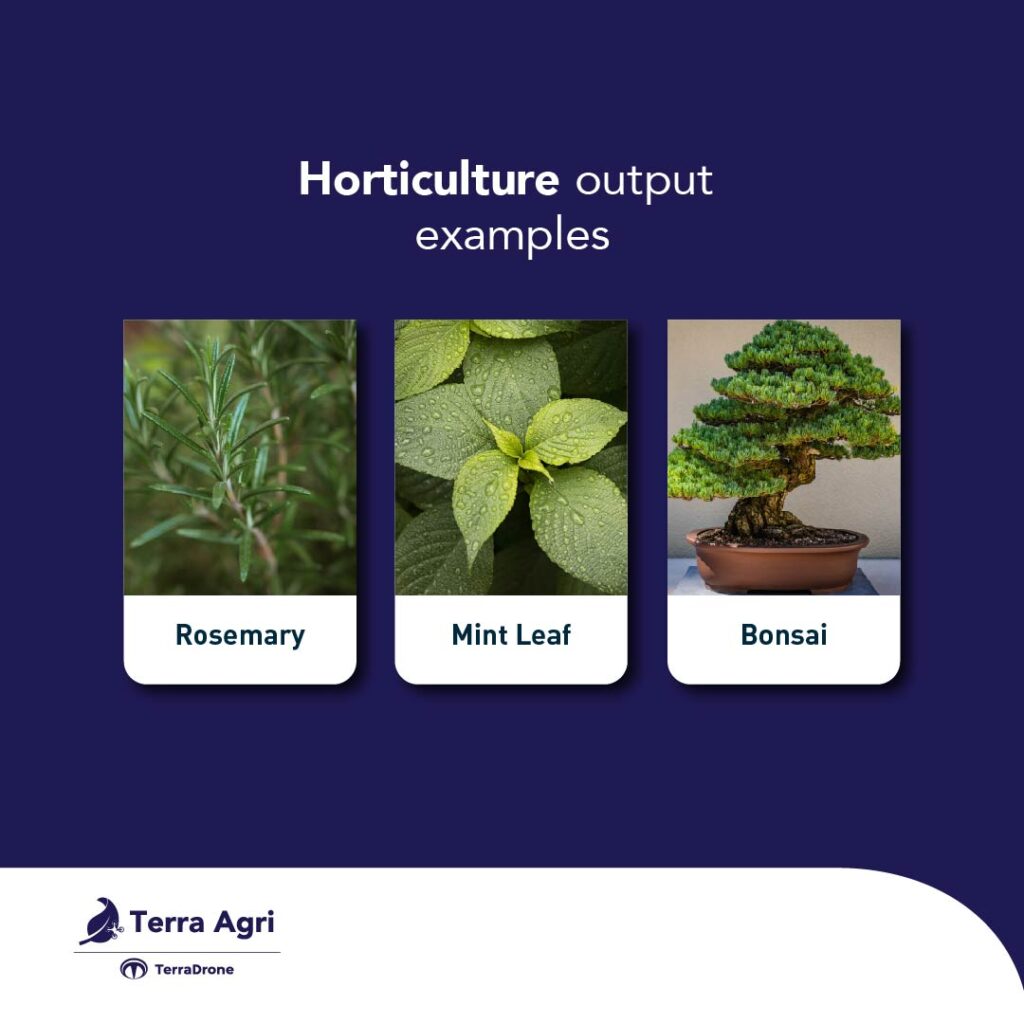
Horticulture focuses on specialty and high-value crops, including:
– Fruits such as mangoes, citrus, and apple
– Vegetables such as tomatoes, chilies, and cucumbers
– Flowers such as roses and orchids
– Ornamental and landscaping plants
These crops require more precise growing conditions and monitoring.
5. Operational Dynamics: Orchestrating Success
Large-scale agriculture relies on mechanization, automation, and efficiency-driven workflows. Many farms use smart irrigation, crop monitoring tools, and data-driven farming practices.
Horticulture requires intensive crop care and precision management, including monitoring plant health, irrigation, nutrients, and pest control.
Today, both sectors are increasingly adopting drone spraying and remote crop monitoring to improve efficiency and reduce labor dependency.
6. Future Prospects: Embracing Innovation
Both agriculture and horticulture face labor shortages, climate change, and rising production costs.
To remain competitive, farms are adopting precision agriculture technologies that enable:
– Accurate crop monitoring
– Efficient fertilizer and pesticide application
– Reduced operational costs
– Improved yield quality
Agricultural drones are becoming essential tools in modern farming, helping plantations and horticulture farms operate more efficiently and sustainably.
Conclusion
Agriculture and horticulture are closely related but serve different roles in the farming ecosystem. Agriculture focuses on large-scale food production, while horticulture specializes in high-value crops that require intensive care.
Understanding these differences helps farmers choose the right farming strategy and adopt suitable technologies.
As farming continues to modernize, precision agriculture and smart farming tools will play a key role in improving productivity, sustainability, and long-term profitability.