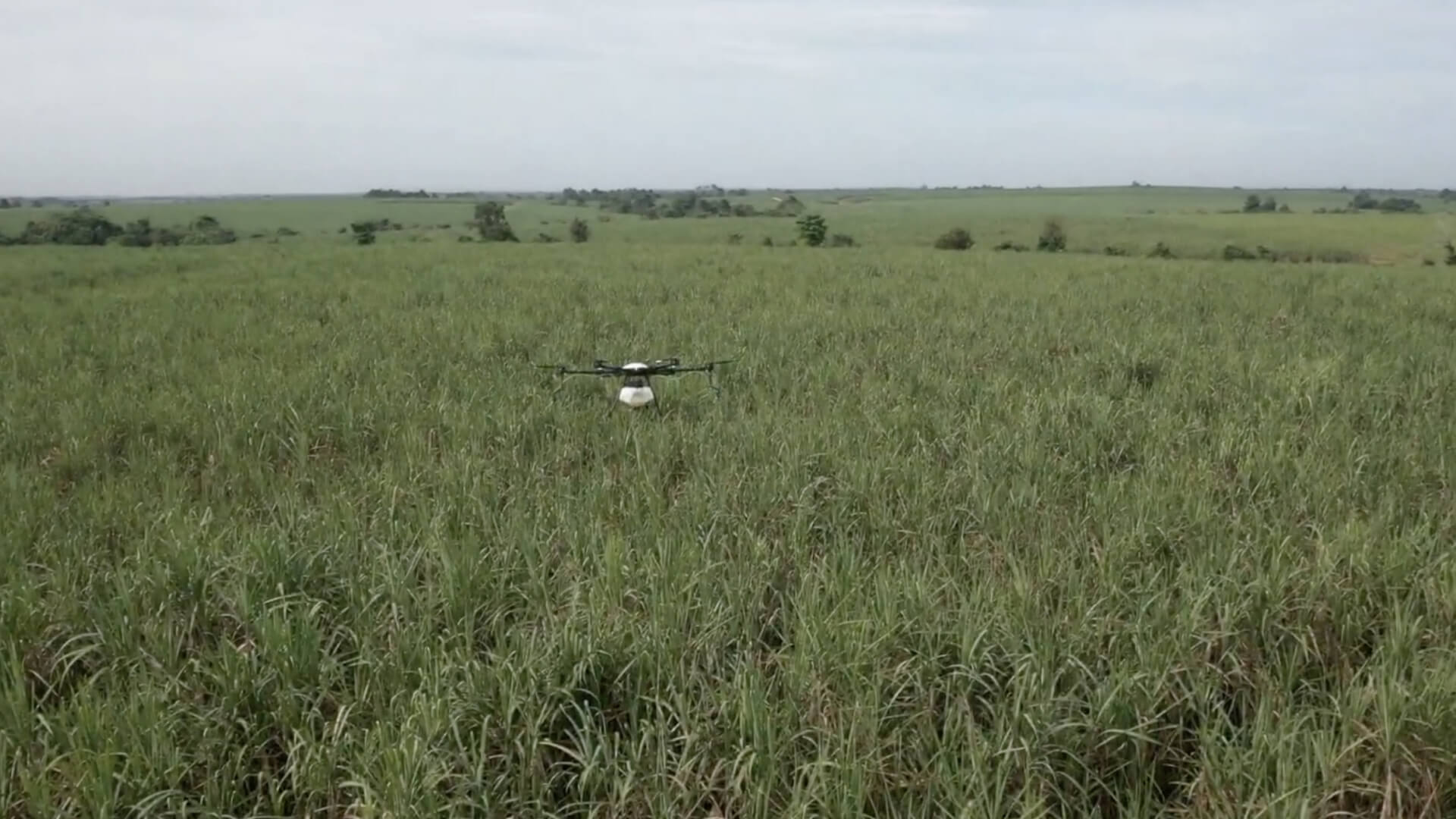
Modern agriculture is rapidly adopting digital technologies that improve productivity, efficiency, and sustainability. One of the most significant innovations transforming crop protection operations today is agriculture drone spraying.
Unlike traditional spraying methods that rely on manual labor or heavy machinery, agricultural spraying drones apply pesticides, fertilizers, and crop protection products from above the crop canopy using automated flight systems and precision spray technology.
For large farms and plantation-scale operations, drone crop spraying enables agribusiness teams to manage large areas efficiently while maintaining consistent spray coverage. By combining precision agriculture, autonomous flight planning, and optimized spray distribution, drone spraying systems provide a practical solution for modern crop management challenges.
This guide explains how agriculture drone spraying works, why agribusiness operations are adopting the technology, and how farms can implement agricultural drone spraying systems effectively.
What Is Agriculture Drone Spraying?
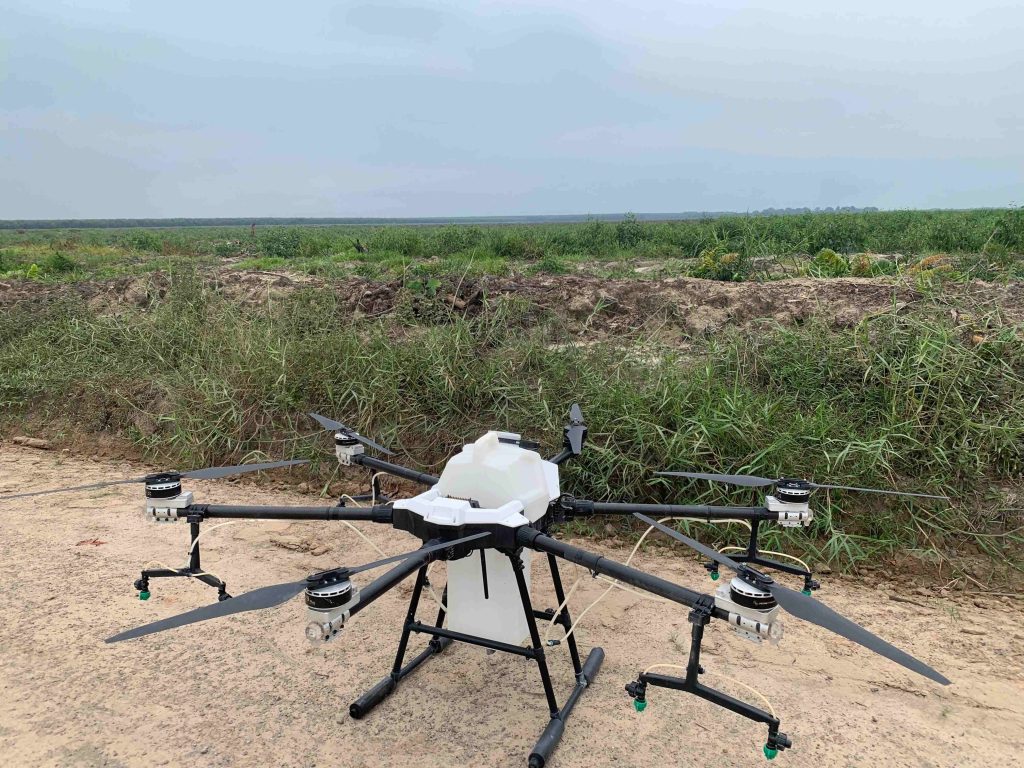
Agriculture drone spraying refers to the use of unmanned aerial vehicles (UAVs) equipped with specialized spray tanks, pumps, and nozzles to distribute agricultural inputs across crop fields.
These drones are specifically designed for crop spraying operations, allowing farms to apply pesticides, herbicides, fungicides, and fertilizers with greater precision than many conventional spraying methods.
Modern agricultural spraying drones typically include several key technologies:
– GPS or RTK positioning systems for precise navigation
– Autonomous flight planning software
– Variable spray rate control systems
– Terrain-following sensors
– High-efficiency spray nozzles
These technologies allow drones to maintain stable flight altitude and consistent spray coverage, ensuring even distribution of agricultural inputs across the field.
Because spraying occurs above the crop canopy, drone crop spraying can often deliver more uniform coverage while avoiding the crop damage sometimes associated with ground equipment.
Why Agribusiness Is Adopting Agriculture Drone Spraying
Across large-scale farms and plantation operations, agriculture drone spraying is becoming an increasingly important component of modern precision agriculture. Rather than simply introducing new technology into the field, agribusiness operators are adopting agricultural spraying drones because they solve several long-standing operational challenges in crop protection and farm management.
From improving spray efficiency to reducing labor dependency, drone crop spraying provides practical advantages that are difficult to achieve with conventional spraying equipment.
1. Addressing Labor Constraints in Modern Agriculture
Labor availability remains one of the most significant challenges in agricultural operations. Traditional spraying methods often rely on large field teams using backpack sprayers or tractor-mounted equipment to apply pesticides and fertilizers.
This process can be time-consuming, labor-intensive, and difficult to scale across large farms.
With agriculture drone spraying, a single trained operator can manage spraying activities across large field areas using autonomous drone flight planning. Once the spray route is programmed, the drone follows a predefined path while maintaining consistent spray rate, flight altitude, and application coverage.
As a result, agricultural drone spraying systems allow agribusinesses to perform crop protection tasks with significantly fewer workers while maintaining consistent spraying quality.
2. Faster Response to Pest and Disease Outbreaks
In crop protection management, timing is critical. When pests or fungal diseases spread quickly across a field, delays in treatment can lead to major yield losses.
Conventional spraying equipment may require extensive preparation time or large field crews before spraying can begin. By contrast, agriculture spraying drones can be deployed rapidly once the spray solution is prepared.
Because drones operate above the crop canopy, they can move quickly across the field without being restricted by ground conditions. This allows agribusiness teams to respond faster to pest infestations and maintain consistent crop protection schedules.
3. Access to Fields Where Ground Sprayers Cannot Operate
Certain agricultural environments present serious challenges for conventional spraying equipment. Soft soil, steep terrain, and dense planting structures can prevent tractors or ground sprayers from entering the field.
In these situations, agriculture drone spraying provides a practical alternative because spraying operations are performed entirely from the air.
Agricultural drones are particularly effective in areas such as:
– dense plantation crops
– muddy or waterlogged fields
– terraced agricultural landscapes
– fields with narrow planting rows
Because agricultural spraying drones fly above the crop canopy, they eliminate the need for heavy ground vehicles that may damage crops or compact the soil.
4. Higher Spray Precision and More Efficient Chemical Use
One of the most important advantages of agriculture drone spraying is its ability to deliver highly controlled chemical application.
Modern agricultural drone spraying systems rely on GPS-guided flight planning, automated spray control, and optimized spray droplet size to ensure uniform coverage.
This helps reduce:
– overlapping spray passes
– untreated crop areas
– excessive pesticide usage
By improving spray accuracy, drone crop spraying technology allows agribusinesses to maintain effective pest control while optimizing chemical inputs.
5. Minimizing Crop Damage During Spraying Operations
Traditional ground sprayers must move through crop rows, which can sometimes damage plants or compact soil.
Because agriculture drone spraying occurs above the crop canopy, there is no physical contact with the crops during spraying operations.
This eliminates risks such as:
– plant trampling
– soil compaction
– mechanical crop damage
For high-value crops and plantation operations, minimizing these losses can significantly improve productivity.
6. Supporting Data-Driven Precision Agriculture
Another reason agribusiness operations are investing in agriculture drone spraying is its compatibility with other precision agriculture technologies.
Drone spraying can integrate with:
– drone crop monitoring systems
– multispectral crop analysis
– field mapping drones
– AI pest detection platforms
These technologies allow farms to identify crop stress early and perform targeted drone spraying only where treatment is needed. This improves resource efficiency while supporting sustainable agricultural practices.
How to Use Drones for Crop Spraying
Understanding how to use drones for crop spraying requires a structured operational workflow. Modern agricultural drone spraying systems combine mapping, automated flight planning, and precision spray technology.
1. Field Mapping and Spray Planning
Before spraying begins, operators define the treatment area using drone field mapping software or GPS boundary data.
This allows the system to generate optimized autonomous flight paths that ensure consistent spray coverage across the entire field.
2. Setting Flight and Spray Parameters
Operators configure the drone’s operational parameters based on crop type and treatment requirements.
Key parameters include:
– flight altitude
– spray swath width
– droplet size
– spray rate
– flight speed
These settings determine how effectively the spray solution is distributed across the crop canopy.
3. Preparing Agricultural Spray Solutions
The spray tank is filled according to agronomic recommendations.
Inputs commonly applied through agriculture drone spraying include:
– pesticides
– herbicides
– fungicides
– foliar fertilizers
– biological crop protection products
4. Autonomous Drone Spraying Operation
Once configured, the drone follows the programmed flight path across the field. Modern agriculture spraying drones automatically regulate spray flow rate and maintain stable altitude above the crop canopy, ensuring consistent application.
5. Monitoring and Post-Spray Evaluation
After spraying, agribusiness teams may review the operation through drone crop monitoring imagery or field inspections. This helps confirm that spray coverage was applied evenly and allows operators to refine future spraying operations.
Operational Factors That Affect Drone Spraying Performance
Several environmental and technical factors influence the effectiveness of agricultural drone spraying systems.
1. Spray Droplet Size
Droplet size determines how well spray chemicals adhere to plant surfaces.
2. Wind Speed
High wind conditions can increase spray drift, reducing application accuracy.
3. Flight Altitude
Maintaining proper altitude ensures optimal spray distribution.
4. Crop Canopy Density
Dense crop canopy may require optimized spray penetration to reach lower leaves.
Cost of Agriculture Drone Spraying for Plantations
For agribusiness operators evaluating agriculture drone spraying, one of the most common considerations is the cost compared with conventional crop spraying methods.
Although purchasing agricultural spraying drones requires an upfront investment, many farms find that drone crop spraying can improve long-term operational efficiency and reduce total spraying costs.
Factors That Influence Drone Spraying Cost
1. Farm Size and Field Layout
Large farms benefit most from agricultural drone spraying systems because drone operations scale efficiently across large areas. As field size increases, the cost per hectare often decreases.
2. Drone Capacity and Tank Size
Larger agriculture spraying drones can cover more area before needing to refill spray tanks, improving overall productivity.
3. Labor Requirements
Because drone crop spraying operations require fewer workers than traditional spraying teams, labor costs can be significantly reduced.
4. Chemical Efficiency
Precise spray droplet distribution and optimized flight paths help reduce chemical waste, improving overall input efficiency.
Comparing Drone Spraying and Conventional Spraying Costs
| Cost Factor | Agriculture Drone Spraying | Conventional Spraying |
|---|---|---|
| Labor cost | Lower | Higher |
| Chemical efficiency | Higher | Moderate |
| Equipment mobility | High | Limited |
| Crop damage risk | Very low | Moderate |
FAQ
Agriculture drone spraying is the use of unmanned aerial vehicles equipped with spray tanks and nozzles to apply pesticides, fertilizers, herbicides, or biological crop protection products across agricultural fields. These agricultural spraying drones use GPS-guided flight systems and automated spray control to ensure precise and consistent chemical application.
In drone crop spraying, operators first map the field and define flight boundaries using drone flight planning software. The drone then follows an automated route while maintaining a stable altitude above the crop canopy. During the flight, the drone releases the spray solution through precision nozzles to ensure uniform spray coverage across the field.
Many crops can benefit from agricultural drone spraying systems, especially those grown across large areas. Common examples include:
1. oil palm plantations
2. rice fields
3. sugarcane farms
4. banana plantations
5. tea estates
6. corn and grain crops
These crops often require frequent pest and disease management, making drone crop spraying technology highly effective.
Yes. Agriculture drone spraying can improve operational efficiency by reducing labor requirements, minimizing crop damage, and improving chemical distribution accuracy. Compared with manual spraying methods, agricultural spraying drones can cover large areas more quickly while maintaining consistent spray application.
The coverage area of an agriculture spraying drone depends on factors such as tank size, spray rate, and flight speed. Many commercial agricultural drone spraying systems can cover multiple hectares per hour, allowing farms to perform crop protection treatments efficiently across large fields.
Yes. Drone crop spraying reduces direct exposure to agricultural chemicals because operators control the spraying process remotely. In addition, because agriculture drone spraying occurs above the crop canopy, the process avoids physical contact with plants, reducing the risk of crop damage during spraying operations.